How Social Media Knows You Better Than Your Best Friend
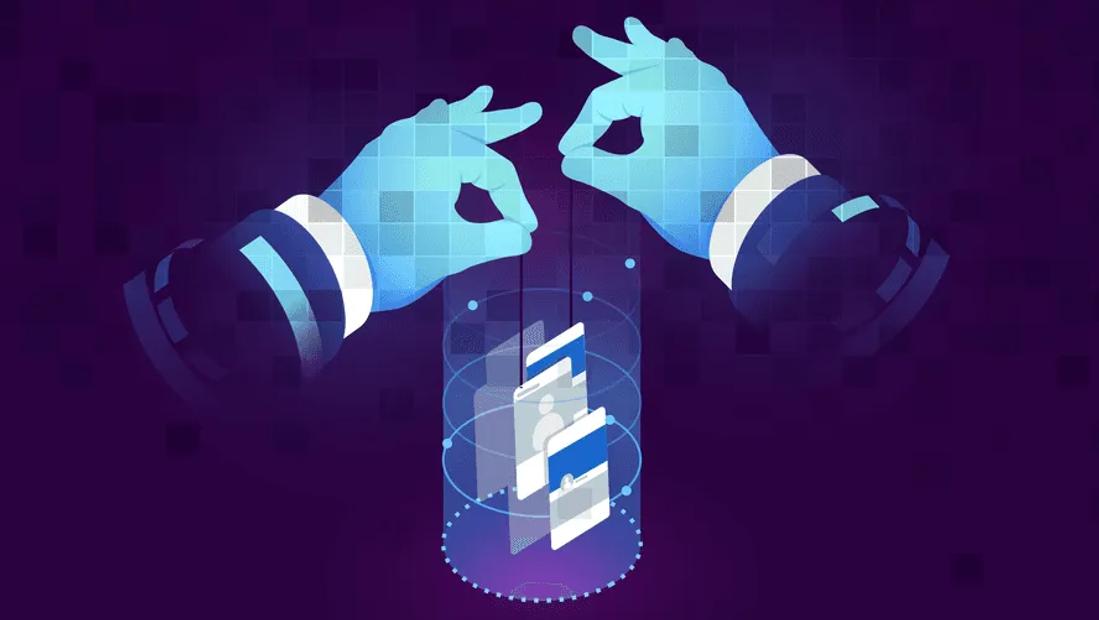
While most people know social media apps collect data, a far bigger concern is how this data is used to understand and shape user psychology, with platforms influencing emotions and behavior in subtle, often underestimated ways.
Most people assume that these apps know surface-level information about us to curate our ‘for you’ and explore pages. The reality is, these apps know more about you than your best friend, and in some cases, your closest family member.
What Computers Know About Us
In 2015, Stanford conducted a study with 86,220 Facebook users who completed a Big Five personality survey. The researchers compared how well a computer algorithm and users’ closest friends could predict personality traits. The result: the computer was more accurate than family members on average. The key takeaway is that computers avoid personal biases and apply equal importance to a user’s entire digital history. This allows them to consistently categorize traits without forgetting details or being influenced by recency bias.
Language as a Window Into Your Mental State
In a 2022 study, 3.4 million Facebook posts from 2,986 users were analyzed, and it was found that language markers from posts could predict loneliness and depression. Computers consistently capture communication between billions of people over long periods of time. Each new data point, created every day, provides algorithms with fresh chances to learn about the impact of content on emotions and well-being.
So, What Exactly Do They Track?
Most people would like to think that the main data from social media comes from likes, follows, comments, or shares. However, the data is far more personal and specific than most of us can imagine. Social algorithms track a broad range of detailed personal data, far beyond likes and follows, to create a deep profile of your interests, beliefs, and mental states, all to keep you engaged.
The data collected is used to determine how to increase user time on the apps, maximize ad exposure, and potentially facilitate purchases through marketplaces.
Meta and the “Estimated Action Rate”
Meta’s algorithm values “estimated action rate” when curating content. As with TikTok, small actions like pausing or hesitating on content without engaging tell the algorithm to show more of it. Patterns throughout billions of behaviors are identified and attributed to purchasing or response.
TikTok: 35 Minutes to Know You
These platforms rapidly generate detailed psychological profiles based on various user data. TikTok’s internal documents indicate just 35 minutes of viewing can produce a reliable behavioral profile for a new user. These systems aim to accurately assess new users’ macro- and micro-behaviors, not what they actually want to see.
Spotify: Moods, Mindsets, and Moments
It’s not just social media apps; Spotify does the same. Spotify infers political affiliation, relationship status, and lifestyle patterns from listening habits. Their actual pitch to advertisers is that they can connect to users based on moods, mindsets, and moments.
Surely with millions of data points and new ones every time we scroll, these platforms would offer us content that would help us, right? Because they do know more about our interests than most of us even know about ourselves.
As you may have already guessed or experienced, the answer is no. Before we investigate in depth how social platforms create an emotional feedback loop, we first need to discuss the Facebook emotional manipulation experiment.
The Facebook Emotional Manipulation Experiment
In 2012, Facebook ran a secret experiment on 689,003 users without their knowledge, manipulating the valence of their content. Well, Facebook claimed users consented via the data use policy, four months before the experiment. If you have ever seen the South Park episode “Humancipad,” you know exactly why this can be unethical and dangerous. The study found that emotions are contagious; even texts can alter emotional states. When positive posts were reduced, users posted more negative status updates, and vice versa.
Platforms don’t just understand emotions; they actively influence and shape them to drive engagement.
The Emotional Feedback Loop
When we start to understand that these platforms optimize for engagement to deliver more value to partners, brands, and advertisers, intent becomes clear. They don’t want you to be happy; they want you to be engaged. Unfortunately, strong emotional reactions like fear, envy, outrage, and sadness drive more engagement than positive reactions do. Algorithms systematically boost emotionally charged content, especially negative or sensational posts.
The Aspirational Content Trap
Ever notice when you open Instagram, everyone seems like they’re doing better than you? Achieved more? Better looking? Social media platforms spotlight aspirational content because it generates strong emotional outcomes — especially negative comparisons, envy, and feelings of inadequacy. This is only the beginning of a vicious cycle. The algorithm continually feeds you content proven to trigger insecure feelings, deepening the cycle as you engage more.
Variable-Ratio Reinforcement: The Slot Machine Mechanic
If people were asked what the worst form of gambling is, most people would say slots. People often see those machines as scams that steal old people’s retirement money. What if I told you that social media platforms deploy the exact same mechanism that makes slot machines addictive? This mechanic is called variable-ratio reinforcement, and it maintains a level of uncertainty in your mind about the content. Let us clarify: you never know when the next perfect video or post will appear. Your brain releases a neurochemical called dopamine in anticipation of the next reward, not in response to it. This release of dopamine in anticipation is exactly what keeps elders hammering slots and teenagers scrolling for hours on end, even when you only intend to spend five minutes.
TikTok’s Vulnerability Map
It may seem like we’re talking about some pretty scary stuff, and I wish I could say it gets better. TikTok’s vulnerability map might be the only thing necessary to change someone’s mind about how healthy and beneficial these platforms are to us. In an experiment that built 12 distinct user personas, it was found that within days, TikTok’s algorithm pulled teen personas increasingly toward extreme content, regardless of their initial interests. A 13-year-old persona interested in gaming videos was served street fights and content about knives within a week of scrolling.
The Social Connection Paradox
Social media platforms, intended to facilitate connection, paradoxically leave us feeling lonelier and more divided. Passive use, like endlessly scrolling IG reels or TikTok, is like junk food: briefly satisfying but ultimately unfulfilling. Our brains process this ‘social snacking’ as social participation, yet, lacking genuine reciprocity, it increases isolation. In contrast, active social media use (such as messaging) corresponds to the technology’s original purpose, but platforms now steer us more toward passive consumption.
Fanning the Flames of Loneliness
“Lonely people turn to social media to address their feelings, but it’s possible that such social media use merely fans the flames of loneliness.” — Dr. James A. Roberts, Baylor University.
A 9-year longitudinal study of nearly 7,000 adults found that both passive and active social media use were associated with increased loneliness over time, and that the quality of digital interactions failed to meet the social needs met by face-to-face communication.
Gen Z Knows Something Is Wrong
There is hope, however: 85% of Gen Z agree they spend too much time online, 77% agree that people are less authentic on social media, and 54% strongly agree that in-person relationships are still more valuable than digital ones.
What Ligo Does Differently
At the end of the day, platforms deliver consistency that most people lack in their daily organic interactions. Because our brains value reliability, Ligo aims to deliver this consistency through genuine connection. The key is that Ligo seeks to make organic connections consistent, with the hope that authentic connections will eventually prevail.
Download Ligo, and revolutionize connection.